

In the modern network environment, wireless adapters and routers are two common network devices, both of which are used to extend network coverage and provide wireless network access. However, many users have questions about the difference and connection between the two, with some even asking, "Is a wireless accessor a router?" This article will answer this question in detail, and introduce the features and application scenarios of outdoor wireless access routers, outdoor wireless access 4G routers, and industrial wireless access routers to help you better choose and use these devices.
the basic concept of wireless access device and router
1. Wireless access device
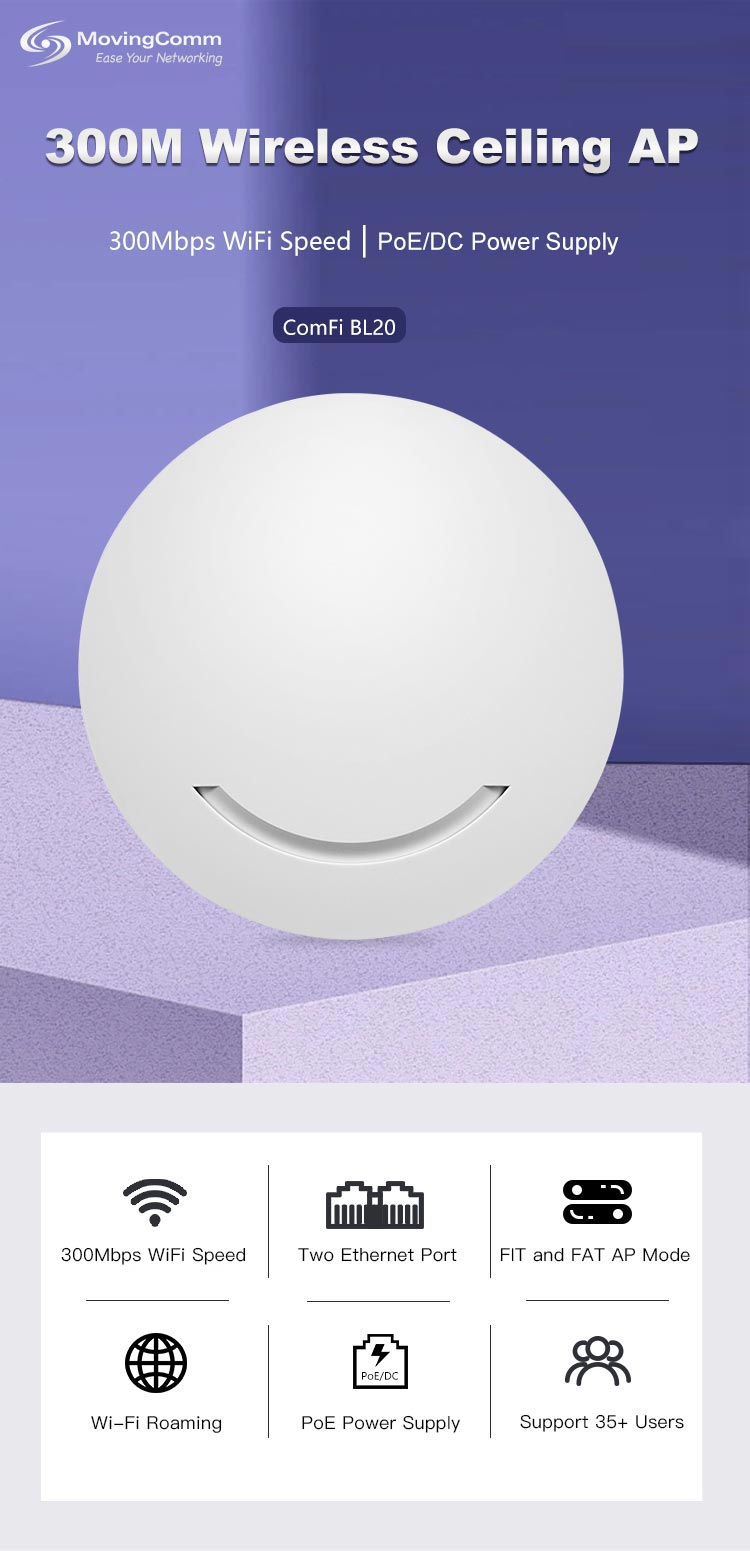
A Wireless Access Point (WAP) is a device used to convert a wired network signal into a wireless signal, enabling wireless devices (such as mobile phones, tablets, laptops, etc.) to access a wired network. A wireless accessor is usually connected to a switch or router on a wired network, extending the coverage of the wireless network.
2. Router
2. Router
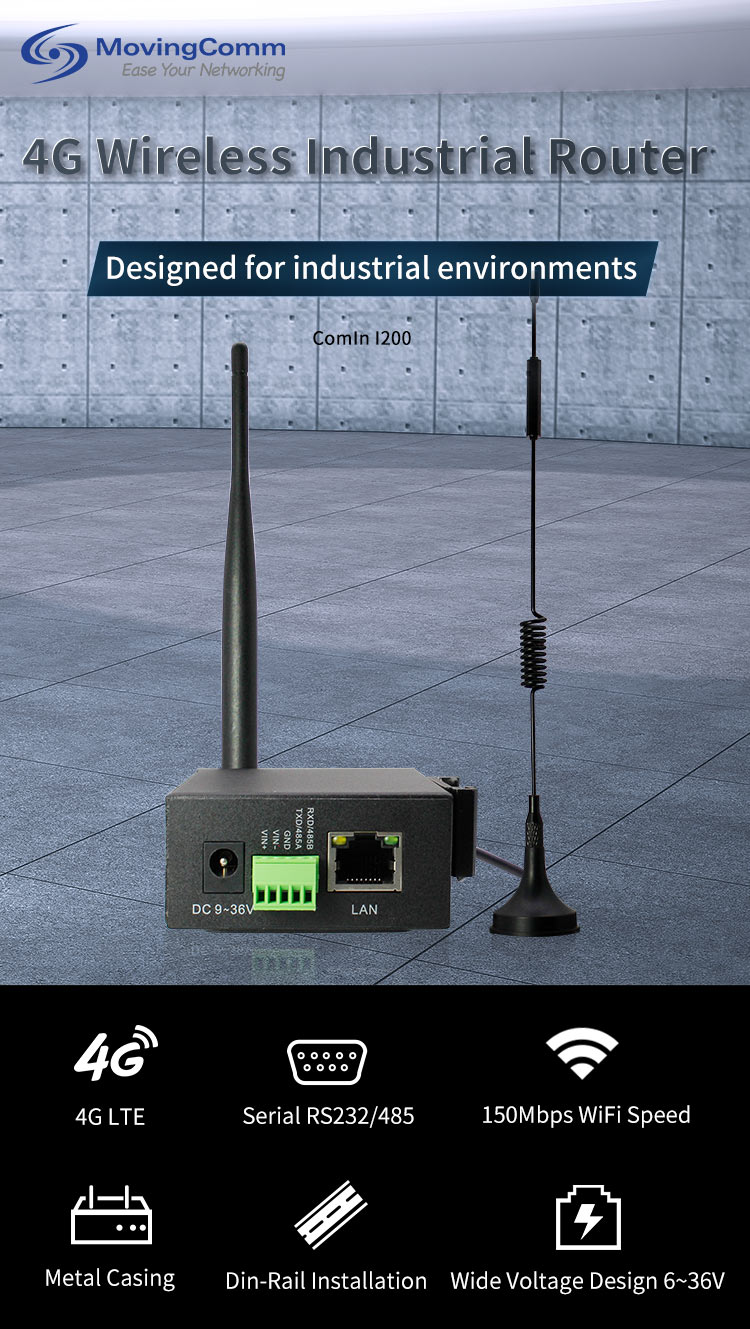
A Router is a device used to connect multiple networks or subnets. It provides functions such as network address translation (NAT), firewall, and DHCP server to manage network traffic, assign IP addresses, and provide security protection. The router can be wired or wireless, and the wireless router has the function of the wireless access device at the same time, but the function is more powerful and comprehensive.
the main difference between wireless access device and router
the main difference between wireless access device and router
1. Functional aspects
Wireless access device:
Main functions: Convert wired network signal to wireless signal, expand wireless network coverage.
Functional limitations: Advanced functions such as NAT, DHCP server, and firewall are not supported, and are mainly used for simple wireless expansion.
Router:
Main functions: Connect multiple networks or subnets, manage network traffic, assign IP addresses, and provide security protection.
Comprehensive functions: Supports multiple advanced functions, such as NAT, DHCP server, firewall, port forwarding, and VPN, and is suitable for complex network environments.
2. Application scenario
Wireless access device:
Home environment: Used to extend home wireless network coverage, especially in areas where the signal is weak, such as bedrooms, balconies, etc.
Small office: Used to expand the wireless network coverage of the office, improve the stability and coverage of wireless signals.
Router:
Home environment: As the core device of the home network, it connects to the Internet, manages the home network equipment, and provides security protection.
Enterprise environment: Used to connect multiple networks or subnets within an enterprise, manage complex network traffic, and provide advanced security and management functions.
Industrial environment: Used to connect industrial equipment and networks to support industrial-grade network requirements, such as high bandwidth, high stability, and high security.
3. Connection mode
Wireless access device:
Wired connection: Usually connected to a switch or router on a wired network via a network cable.
Wireless connection: Support wireless relay function, can be connected to another wireless router or wireless access, further expand the wireless network coverage.
Router:
Wired connection: Connect to the Internet through the WAN port and connect to LAN devices through the LAN port.
Wireless connection: Supports wireless network function, can provide wireless access services, and has wireless relay function.
the characteristics and application scenarios of outdoor wireless access router
Step 1: Characteristics
High-gain antenna: With a high-gain antenna to provide wider wireless coverage and greater signal penetration for outdoor environments.
Waterproof and dust-proof design: The waterproof and dust-proof shell can work stably in harsh outdoor environments, such as rainy days and dusty environments.
High-performance processor: Equipped with high-performance processor, can process a large amount of network data, support high-bandwidth applications, such as high-definition video surveillance, remote control, etc.
A variety of network interfaces: supports a variety of network interfaces, such as Ethernet ports, 4G/5G modules, etc., can flexibly choose the network access mode.
2. Application scenario
Outdoor monitoring: Used to connect outdoor surveillance cameras, provide stable wireless network access, remote monitoring and data transmission.
Smart agriculture: It is used to connect sensors and devices in farmland to achieve remote monitoring and automatic control, and improve agricultural production efficiency.
Logistics park: Used to cover the vast area of the logistics park, provide wireless network access, support real-time communication and data transmission of logistics equipment.
the characteristics and application scenarios of outdoor wireless access 4G routers
Step 1: Characteristics
4G/5G network support: 4G/5G network support can provide high-speed network access in areas without wired network coverage.
High bandwidth transmission: The high bandwidth characteristics of 4G/5G networks can support high bandwidth applications such as high-definition video transmission and big data transmission.
Rapid deployment: It can be quickly deployed in outdoor areas that require network access without complex wired cabling, improving network construction efficiency.
High stability: With industrial design, it can work stably in a variety of harsh environments to ensure network continuity and reliability.
2. Application scenario
Remote areas: In remote areas without wired network coverage, such as mountain areas, islands, etc., to provide high-speed network access, support remote office, online education and other applications.
Temporary events: Quickly deploy wireless networks in temporary event venues, such as outdoor concerts, sports events, etc., to meet the network needs of a large number of users.
Mobile devices: Support network access of mobile devices, such as mobile law enforcement vehicles, mobile medical vehicles, etc., to achieve mobile office and data transmission.
Characteristics and application scenarios of industrial wireless access routers
Step 1: Characteristics
High reliability: With industrial design, it can work stably in high temperature, low temperature, humidity, dust and other harsh environments to ensure high reliability of the network.
High-performance processing: Equipped with high-performance processors and large-capacity memory, it can process a large amount of network data, and support high-bandwidth and low-latency applications, such as industrial automation control and high-definition video surveillance.
Multiple security functions: Provides a variety of security functions, such as firewall, VPN, MAC address filtering, etc., to ensure the security of industrial networks.
Flexible network management: Supports remote management and monitoring. You can easily configure devices, monitor traffic, and diagnose faults on the management interface.
2. Application scenario
Industrial automation: Used to connect industrial automation equipment, such as PLC, sensors, actuators, etc., to achieve real-time communication and data transmission between devices, improve production efficiency and quality.
Smart Factory: Network infrastructure for building smart factories to support a variety of network applications inside the factory, such as production management, quality control, equipment maintenance, etc.
Energy management: Used to connect energy equipment, such as smart meters, smart water meters, etc., to achieve real-time collection and transmission of energy data, support the operation of energy management systems.
Although the wireless access device and the router have a certain overlap in function, they have obvious differences in function, application scenario and connection mode. Wireless access device is mainly used to extend the coverage of wireless network, the function is relatively simple; As the core device of the network, the router has more powerful functions and a wider range of application scenarios. Outdoor wireless access routers, outdoor wireless access 4G routers, and industrial wireless access routers are suitable for different outdoor and industrial environments respectively. They feature high-gain antennas, waterproof and dustproof design, high-performance processors, and multiple security functions to meet network requirements in different scenarios.
Understanding the features and application scenarios of these devices helps you select and use appropriate network devices to ensure efficient and secure network operation. Whether it is a home, business or industrial environment, choosing the right wireless access device or router can provide reliable protection for your network connection.
